Markets & Economy in Spiritstead
Turn surplus carrots, logs, and fish into coins — then spend wisely on housing, territories, and morale.
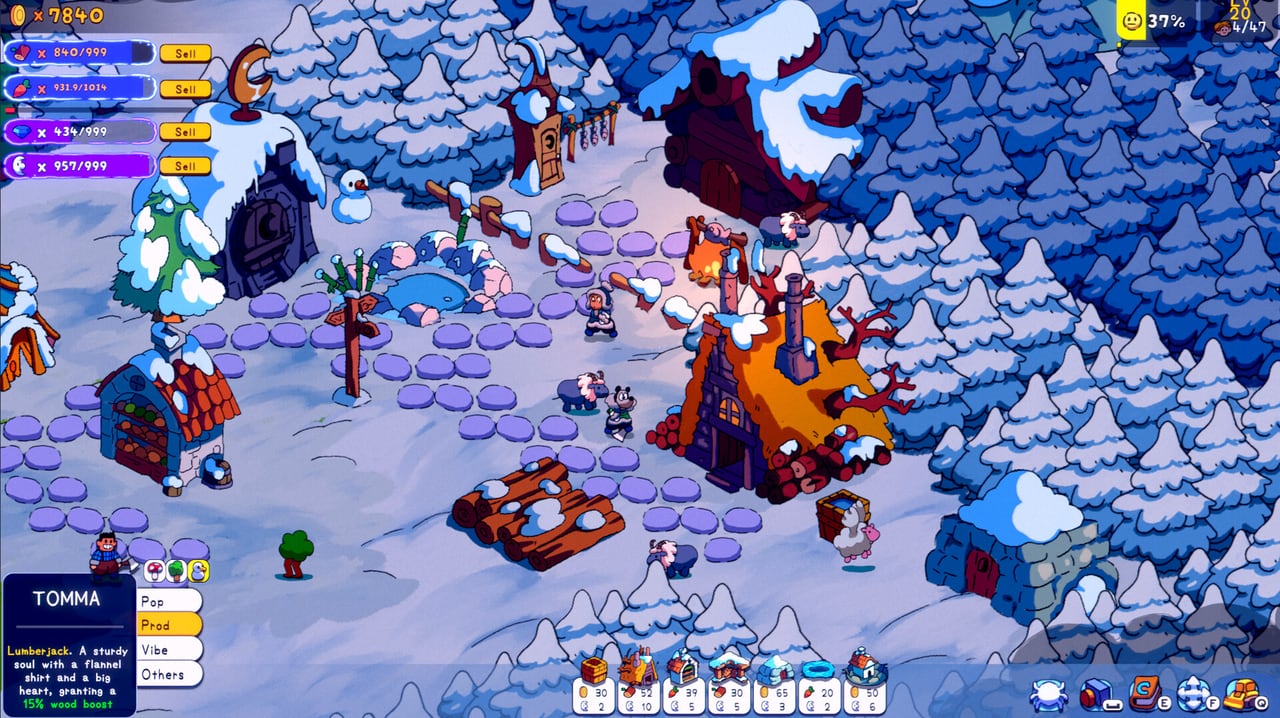
Every cozy city builder lives or dies on its economy loop, and Spiritstead is no exception. You produce wood and food, villagers consume both, and markets convert overflow into coins you spend on housing upgrades, territory tiles, spirit portal milestones, and the happiness structures that keep productivity from collapsing. Turbo Dog Games featured markets alongside fishing in demo marketing — a hint that selling goods is a first-class system, not a late-game afterthought. This guide explains how markets work, where coins disappear (coin sinks), why markets pull double duty for happiness, and how to pace sales so Adventure quests never stall waiting for gold while your warehouses burst with unsold logs.
The core economy triangle
Spiritstead’s Adventure economy is a triangle:
- Production — sawmills, farms, coops, fishing ponds, and spirit automation feed warehouses.
- Consumption — villagers eat food; building placement consumes wood; expansion consumes coins and sometimes crystal shards.
- Markets — convert stored goods into coins you reinvest.
If any corner weakens, the whole village feels sluggish. New players often overbuild houses without market income, then wonder why portal quests demand nine coins they never saved. Start with Getting Started if that sounds familiar — the first hour establishes production before markets matter.
Unlocking and placing markets
Markets unlock through the same town-level and quest progression as advanced warehouses and waterfront tools. In demo builds, markets appear once your journal asks for coin turn-ins or population-supporting commerce — often around the same window as fishing unlocks. Place markets:
- Central to warehouses so villagers do not march across the entire Green Forest plot.
- Near happiness clusters when quests tie commerce to morale — markets can participate in both economy and mood if you drag villagers through during happiness checks.
- With road completion before you expect heavy sales days; dirt paths matter even for cozy builders.
Use F reposition after territory purchases reshape your town center. Markets are cheaper to move than demolishing a misplaced sawmill ring.
What to sell and when
Not every good belongs in the market immediately.
Sell when:
- Quest text names a coin target (spirit portal, crystal ball, housing upgrade).
- Warehouses hit capacity and production stalls.
- You need a cushion before buying the next territory tile.
Hold when:
- Food quests are imminent and your bar is barely green.
- Wood is needed for bonfires, cafés, or spirit buildings in the same session.
- You are one harvest away from a population milestone — starving villagers fail quests faster than broke villagers.
Batch sales beat one-log-at-a-time clicking when the UI allows bulk turn-ins. Pair market days with Production & Warehouses upgrades so incoming goods and outgoing sales happen in the same play session.
Coin sinks — where gold actually goes
Coins leave your treasury through predictable sinks. Plan for them explicitly:
- Housing upgrades — Straw huts become log cabins and advanced homes as population quests escalate. Housing is the stealth sink that catches decorators off guard. Read Housing buildings for tier costs before you splurge on paths.
- Territory purchases — Each map tile has a visible price that rises as you push toward Snow and, in the full game, Frozen Lands and Swamp territories.
- Spirit infrastructure — Portals, crystal nodes, and spirit buildings consume coins and shards together during mid-Adventure.
- Happiness structures — Bonfires, cafés, decorations, and market-adjacent amenities prevent morale collapse during population spikes.
If you always feel broke despite full warehouses, you are likely under-selling before housing spikes — not because Spiritstead hides a tax mechanic.
Markets and happiness — dual role
Markets are not pure economy buildings. Adventure quests sometimes treat commerce as a happiness vector — villagers want a lively town center, not only fed bellies. Drag villagers through market areas during morale dips the same way you drag them through bonfires documented in the villager happiness guide.
Turbo Dog Games has noted proximity-based passive happiness may expand in future updates. Until patch notes confirm passive bonuses, treat markets as active happiness tools during quest windows and passive coin generators between quests. Happiness buildings still anchor long-term morale; markets supplement them during mid-game population crunches.
Fishing, farms, and diversified sales
A healthy market stall rotates inventory:
- Wood from log cutting and sawmills funds early expansions.
- Crops from carrot plots and pumpkin patches satisfy mixed quest turn-ins.
- Fish from fishing ponds adds protein sales without competing for inland farm space.
- Spirit-assisted goods appear once automation spirits like Peppok free villagers from repetitive chores — redirect freed workers to market-facing warehouses.
Diversification prevents the classic trap where one commodity crashes in value because every villager produces the same log stack. It also keeps food variety high, which indirectly stabilizes happiness during multi-biome logistics on the map overview.
Adventure pacing vs Creative sandbox
Adventure Mode uses markets as quest pacing tools — coin targets gate spirit portals and sanctuary beats in the Adventure walkthrough. Creative Mode removes coin pressure but keeps market buildings for layout testing. Practice market districts in Creative, then execute sales timing in Adventure when journal lines demand gold.
Demo Survival caps around level four can block buildings that indirectly support commerce. Switch to Creative Mode to rehearse market + warehouse grids without Survival stopping your experiment.
Full-game economy expectations
The demo covers Green Forest and Snow progression with markets and fishing featured. The full Steam release on August 6, 2026 at 19:00 CEST adds biomes demo players cannot fully explore — Frozen Lands and Swamp territories — plus teased systems like a Wizard Tower, evil spirits, and god-like powers mentioned in Steam community posts. Those additions likely introduce new coin sinks (advanced housing, sanctuary upgrades, spirit automation tiers) without replacing the basic sell-and-reinvest loop you learn in the demo.
Read Full Game Features for honest scope on what is confirmed versus teaser language, and Demo vs Full Game before assuming demo wealth carries forward — saves may not migrate.
Economy troubleshooting
| Symptom | Likely fix |
|---|---|
| Portal quest blocked on coins | Sell wood/fish batches; pause decorations |
| Warehouses full, treasury empty | Build or reposition markets; add villagers to sales routes |
| Happiness fails during coin quest | Drag through bonfires/markets; do not only sell — stabilize mood |
| Cannot afford territory | Sell surplus before buying; check production bottlenecks |
| Broke after housing spike | Plan next upgrade during prior market day; see housing guide |
Related links
- Getting Started — first-hour production before markets.
- Fishing guide — waterfront goods for market rotation.
- Buildings hub — production, housing, happiness costs.
- Spirit buildings — automation that feeds market supply.
- Release guide — launch timing and price ($9.99).
Markets reward planners who treat coins as a quest resource, not a score to maximize. Sell with purpose, upgrade housing deliberately, and keep happiness structures funded — Spiritstead’s economy stays cozy only when morale and treasury rise together.
Frequently Asked Questions
Quick answers to the most common questions.
How do I make coins in Spiritstead?
Sell surplus wood, crops, fish, and other stored goods through market buildings once unlocked. Assign villagers to production first, then route overflow to markets when quests need gold.
Do markets increase villager happiness?
Markets participate in commerce-themed happiness checks. Drag villagers through market areas during morale quests, and pair markets with bonfires and cafés for stable mood.
What should I spend coins on first?
Prioritize quest-mandatory purchases: housing for population targets, spirit portal milestones, and territory tiles that block progression. Decorate after food and wood stay stable.
Are markets in the Spiritstead demo?
Yes. Demo store copy highlights markets alongside fishing as core systems while progressing from Green Forest toward Snow.
Why am I broke despite full warehouses?
You may be under-using markets, over-building decorations, or hitting housing upgrade spikes without pre-selling goods. Batch sales before big purchases.
Will the full game add new coin sinks?
Frozen Lands, Swamp territories, and teased late-game systems likely add upgrades, but the sell-and-reinvest loop from the demo should remain the Adventure foundation.