Spiritstead Housing & Population Buildings
Homes, log cabins, and special housing — grow your village without outrunning food or happiness.
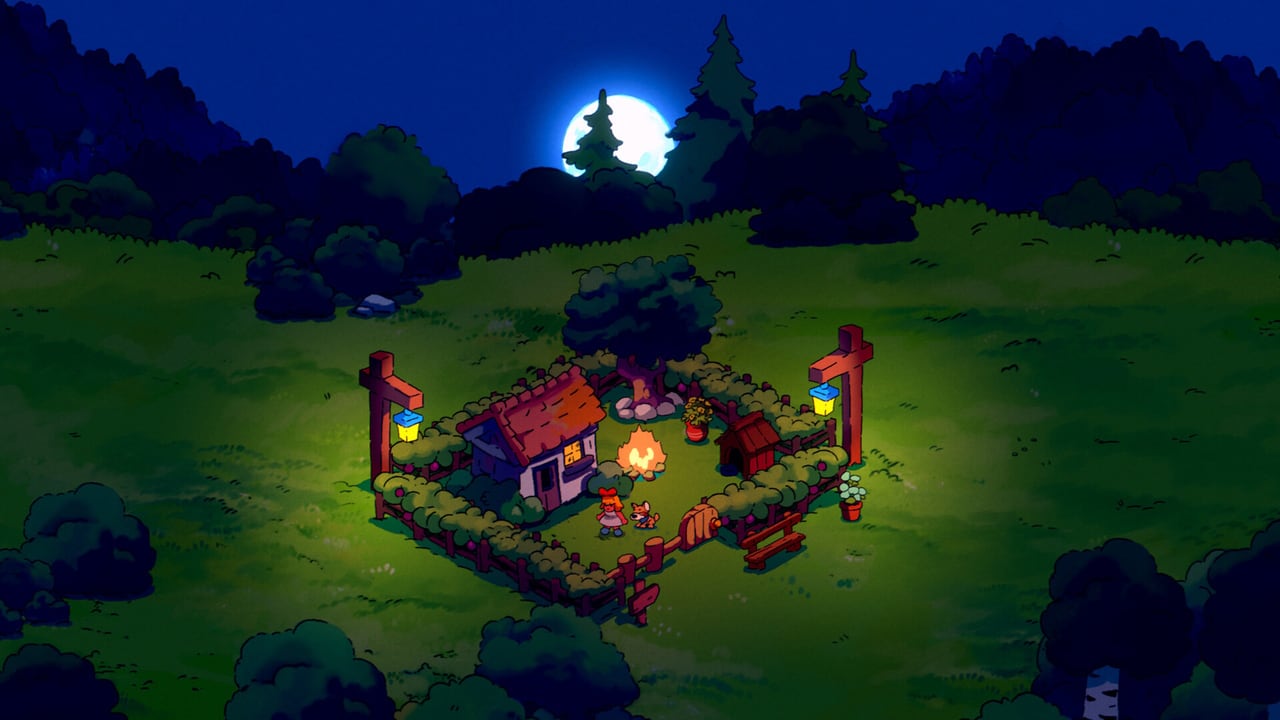
Population is the engine of Spiritstead, and population requires beds. Housing buildings — standard houses, rustic log cabins, and charm structures like the dog house — determine how many villagers can join your settlement, which quests unlock, and how fast you burn through food and wood. Build homes too aggressively and happiness collapses; build too slowly and Adventure objectives stall waiting for workers.
This guide explains each housing type, sensible placement near production sites, synergy with happiness buildings, and how housing timing interacts with spirit automation. Start at the buildings hub if you need the full village stack.
Standard houses
Houses are the first housing blueprint after the tutorial homestead. Each unit adds a fixed number of villager slots (exact counts vary by upgrade tier in demo builds — check in-game tooltips before mass placement).
When to build: As soon as quests demand additional workers or when idle villagers queue because every bed is full. First house usually follows your opening log cutting camp.
Placement tips:
- Keep houses within walking distance of farms, coops, or food warehouses so meal AI paths stay short.
- Leave space for later decorations along front paths — happiness fixes are cheaper before morale crashes.
- Avoid blocking crystal node routes you plan to assign spirits toward later.
Costs: Early houses consume modest wood; mid-tier upgrades may need sawmill output. If wood redlines, pause housing and read production sawmill sections before placing a fourth duplicate home.
Log cabins
Log cabins appear deeper in Adventure progression as a rustic upgrade or alternate housing line tied to forest biomes. They typically offer similar or slightly higher capacity with aesthetics matching Green Forest and Snow transitions.
Strategic use:
- Build log cabins when quests or territory unlocks favor northern themes — often near expanded log cutting and sawmill districts.
- Cluster cabins along forest roads for visual cohesion; do not isolate them far from bonfires or cafés.
- Treat cabins as population tools first, screenshot backdrops second.
If demo level caps prevent log cabins in Adventure, preview layouts in Creative Mode using the Creative guide without spending Adventure resources.
Dog house
The dog house is special-purpose housing — not a villager apartment, but a charm building that may support pet-related quests, happiness micro-bonuses, or future companion features depending on build version. Demo players should place it when unlocked for journal completion and village personality even if population math ignores it.
Placement: Near houses, markets, or main plazas where villagers path often. Pair with decorations like fences or flower beds for cohesive neighborhoods.
Priority: Low for min-maxers racing sanctuary shards; high for cozy roleplayers and happiness stabilization when combined with other mood structures from happiness buildings.
Population pacing in Adventure Mode
Adventure quests occasionally spike population requirements — build two houses ahead of the quest timer if wood and food buffers allow. Rule of thumb:
| Signal | Response |
|---|---|
| Quest asks for X villagers | Build housing until slots ≥ X plus one spare |
| Food warehouses empty nightly | Pause housing; upgrade farms or unlock Peppok |
| Happiness yellow despite food | Add bonfires/decorations before more beds |
| Wood income flat | Expand log cutting or sawmill before log cabins |
Turbo Dog Games targets six to eight hours of Adventure play — housing spikes should feel like gentle waves, not cliff jumps. Cross-read the Adventure walkthrough for chapter-specific headcount gates.
Housing vs production balance
Every new bed consumes ongoing food and sometimes fuel for bonfires. Before placing three houses in one click session:
- Confirm coop or farm output covers projected mouths.
- Confirm food warehouse capacity — overflow waste hurts more than visible in UI.
- Assign villagers to food jobs before mining or purely decorative tasks.
- Unlock Peppok via chicken cooking when automation would stabilize the spike.
Wood side mirrors food: houses, log cabins, and spirit buildings all draw from the same sawmill pipeline. Housing rushes without sawmill upgrades create construction queues that feel like bugs but are resource debt.
Layout patterns that scale
Grid with green belts — Rectangular housing blocks separated by tree lines or decorations reduce pathfinding chaos when population hits double digits.
Workforce districts — Place cheap houses adjacent to log cutting or farms for roleplay-friendly “worker villages,” but keep a central market so happiness structures remain one walk away.
Spirit suburbs — Late game, ring spirit buildings outside residential cores so crystal mining traffic does not cross main plazas.
Use F reposition from the controls guide when a house lands on a planned road.
Creative Mode housing experiments
Creative removes quest gates — ideal for testing maximum density before bonfire coverage fails. Sketch absurd skyline layouts, note bonfire radius, then import lessons into Adventure saves with realistic pacing.
Related reading
- Production buildings — food and wood that housing consumes.
- Happiness buildings — morale when population grows.
- Decorations — cheap fixes between major happiness investments.
- Spirits tier list — when Peppok beats another house.
Frequently Asked Questions
Quick answers to the most common questions.
How do I increase villager population cap?
Build houses or log cabins until free beds match the villagers you want. Each housing structure adds a set number of slots shown in the build menu tooltip.
Should I build log cabins or regular houses?
Follow Adventure unlock order. Log cabins suit forest and Snow biome expansions; standard houses remain the early-game default.
Does the dog house add villagers?
The dog house is primarily a charm or special building, not bulk housing. Rely on houses and log cabins for population quests.
Why did happiness crash after I built three houses?
New villagers increased food demand and crowded paths. Add production, bonfires, or decorations before continuing housing spam.
Where should I place new houses?
Near jobs and food storage, with walking access to happiness buildings. Avoid blocking planned sawmill or spirit building footprints.